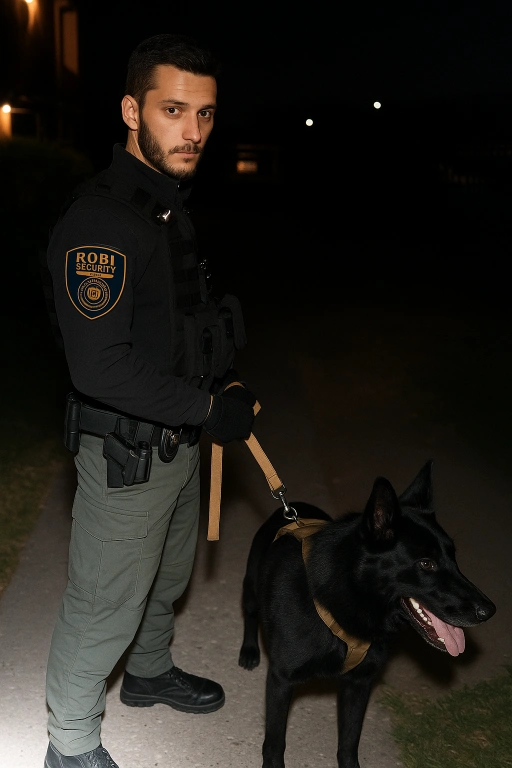
Private security training equips officers with the skills needed to handle a variety of situations, from threat detection to emergency response. A comprehensive program ensures they are prepared to protect people, property, and assets effectively and professionally.
Duties and responsibilities outline the core tasks and expectations of a role, ensuring clarity and accountability. They include maintaining safety, monitoring for potential threats, and enforcing rules or policies to protect people and property.
Security guard training prepares individuals to effectively handle emergency situations, prevent crime, and maintain order. It covers areas like surveillance, conflict resolution, legal protocols, and physical security measures to ensure officer readiness and safety.
State laws govern the rights and responsibilities of individuals and organizations within a specific jurisdiction, ensuring legal compliance. They vary by region and address everything from criminal behavior to business regulations and personal conduct.
Security officers often encounter conflicts. This training equips them with techniques to de-escalate tense situations calmly and professionally while ensuring the safety of all parties involved. Emphasis is placed on communication, empathy, and non-violent intervention methods.
Understanding state laws is essential for legal and ethical decision-making on duty. Officers are trained to interpret and apply local regulations correctly, ensuring compliance in all security-related actions.
Officers are educated on key aspects of criminal law, helping them recognize offenses, understand legal limitations, and take appropriate action while upholding due process and individual rights.
Security personnel receive hands-on training in managing emergencies such as fires, medical incidents, and evacuations. This module ensures quick, decisive action under pressure to protect lives and property.
This training prepares officers to identify and respond to hazardous materials safely. It includes protocols for containment, evacuation, and coordination with emergency services.
Effective communication and planning are critical in security operations. Officers learn radio procedures, reporting protocols, and how to coordinate strategy during incidents or large events.
This module teaches the importance of protecting confidential data. Officers learn best practices in safeguarding sensitive documents, digital records, and proprietary information.
Security guards are trained to enforce access restrictions through physical and digital systems, ensuring only authorized personnel enter secure areas.
Officers are instructed on recognizing and verifying IDs, badges, and credentialing systems to prevent unauthorized access and identity fraud.
Clear, accurate report writing is a key skill. Officers learn to document incidents, patrols, and observations professionally for legal and operational use.
This module trains guards in systematic patrolling techniques to deter criminal activity, identify potential threats, and ensure consistent site surveillance.
Officers are educated in fire control equipment, alarm systems, and emergency protocols to assist with fire prevention and suppression efforts.
Understanding alarm systems is vital. Guards learn how to monitor, respond, and reset alarms while coordinating with law enforcement or emergency services.
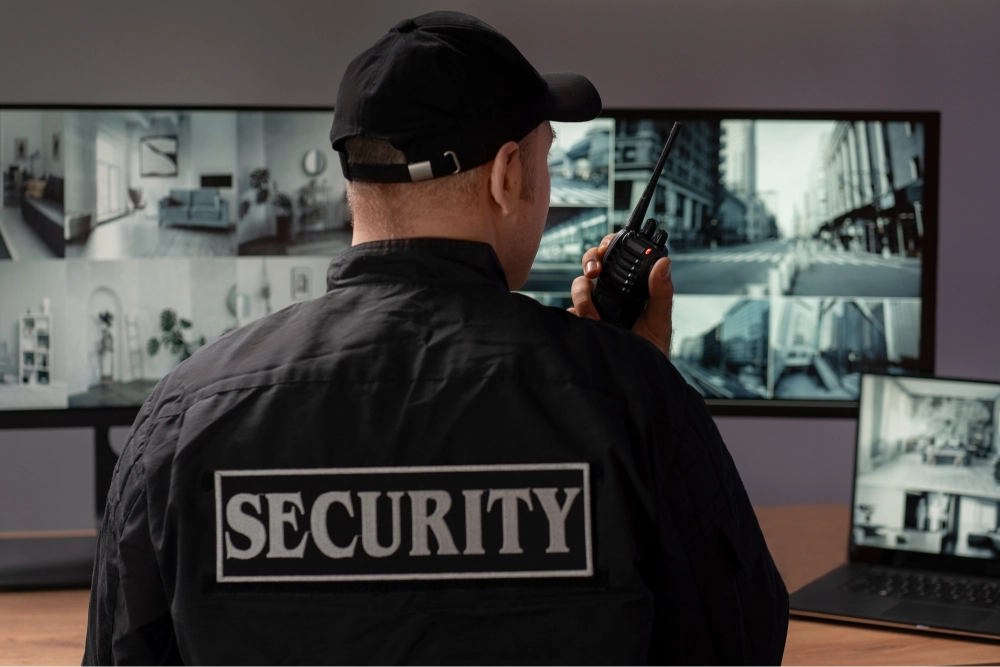
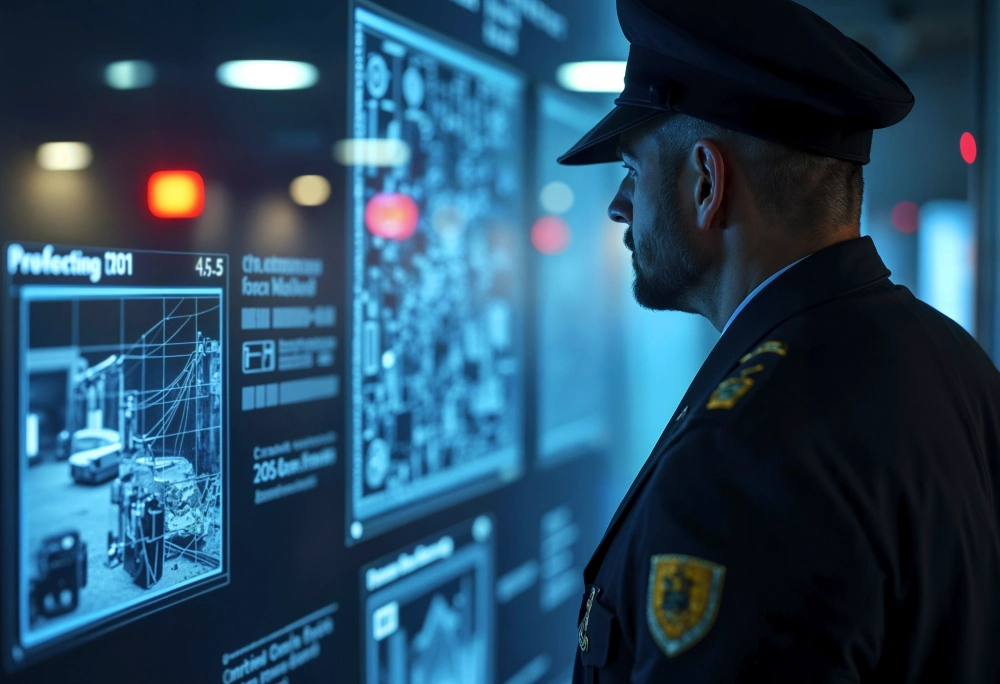
This module covers surveillance systems, including CCTV monitoring and real-time observation techniques to track suspicious activity and secure premises.
Officers receive practical training on lawful and effective search procedures for individuals, vehicles, and property while respecting legal rights.
Special training is provided for managing incidents involving minors, emphasizing safety, de-escalation, and legal considerations for youth.
Officers are instructed in non-lethal defense tactics to protect themselves and others, including holds, restraints, and defensive maneuvers.
This module teaches techniques to manage large groups during events, emergencies, or disturbances, focusing on safety, space control, and calm intervention.
Officers learn how to handle uncommon or complex security scenarios, such as bomb threats or civil unrest, using critical thinking and adaptive tactics.
Comprehensive firearm training includes safety procedures, target practice, and legal responsibilities to prepare officers for armed duty roles.
This module ensures officers understand concealed carry laws and techniques, covering legal restrictions, safety, and tactical usage.
Open carry training prepares officers for visible firearm handling in public settings, including safety awareness and professional conduct.
Officers are trained in applying restraints, including handcuffing techniques and the legal implications of use-of-force decisions.
This module offers in-depth instruction on handling, cleaning, loading, and safely storing various firearms used in professional security.
Officers are taught standard safety protocols to minimize risk to themselves and the public while maintaining control during active duty.
Officers must learn and adhere to firearm range safety rules to ensure safe training environments and proper conduct during live fire exercises.
This module teaches maintenance and care for firearms, including cleaning, storage, and performance checks to ensure weapon reliability.
Advanced combat firing training focuses on real-world engagement scenarios, improving accuracy and decision-making under pressure.